Purple Flower

Olya

Categories

Health + AI Design

Team

Kai Hofmeester & Paul Hoover

Project

Olya on MyChart

Timeline

5 weeks

Year

2025

Mental health evaluation has a friction problem on both ends. People delay getting assessed, and when they finally do, they walk away with paperwork they don't understand and no clear next steps. Olya is a concept for completing a full evaluation from home — a guided VR assessment paired with an AI-assisted reporting system that delivers results in plain language.

Mental health evaluation has a friction problem on both ends. People delay getting assessed, and when they finally do, they walk away with paperwork they don't understand and no clear next steps. Olya is a concept for completing a full evaluation from home — a guided VR assessment paired with an AI-assisted reporting system that delivers results in plain language.

I worked with Macks Brooks over six weeks, with Meta's Kay Hofmeester and ShapesXR/Google's Paul Hoover as clients. Macks led the VR headset experience and brand direction. I owned the product interface — the full patient flow from booking through results, and the AI reporting system that sits between clinical evaluation and patient understanding.

The entry point was the hardest place to get right. Someone booking a mental health evaluation is already in a vulnerable state. The booking flow had to feel calm and credible without being clinical — warm enough to not feel like a medical form, structured enough to not feel casual about something serious.

I worked with Macks Brooks over six weeks, with Meta's Kay Hofmeester and ShapesXR/Google's Paul Hoover as clients. Macks led the VR headset experience and brand direction. I owned the product interface — the full patient flow from booking through results, and the AI reporting system that sits between clinical evaluation and patient understanding.

The entry point was the hardest place to get right. Someone booking a mental health evaluation is already in a vulnerable state. The booking flow had to feel calm and credible without being clinical — warm enough to not feel like a medical form, structured enough to not feel casual about something serious.

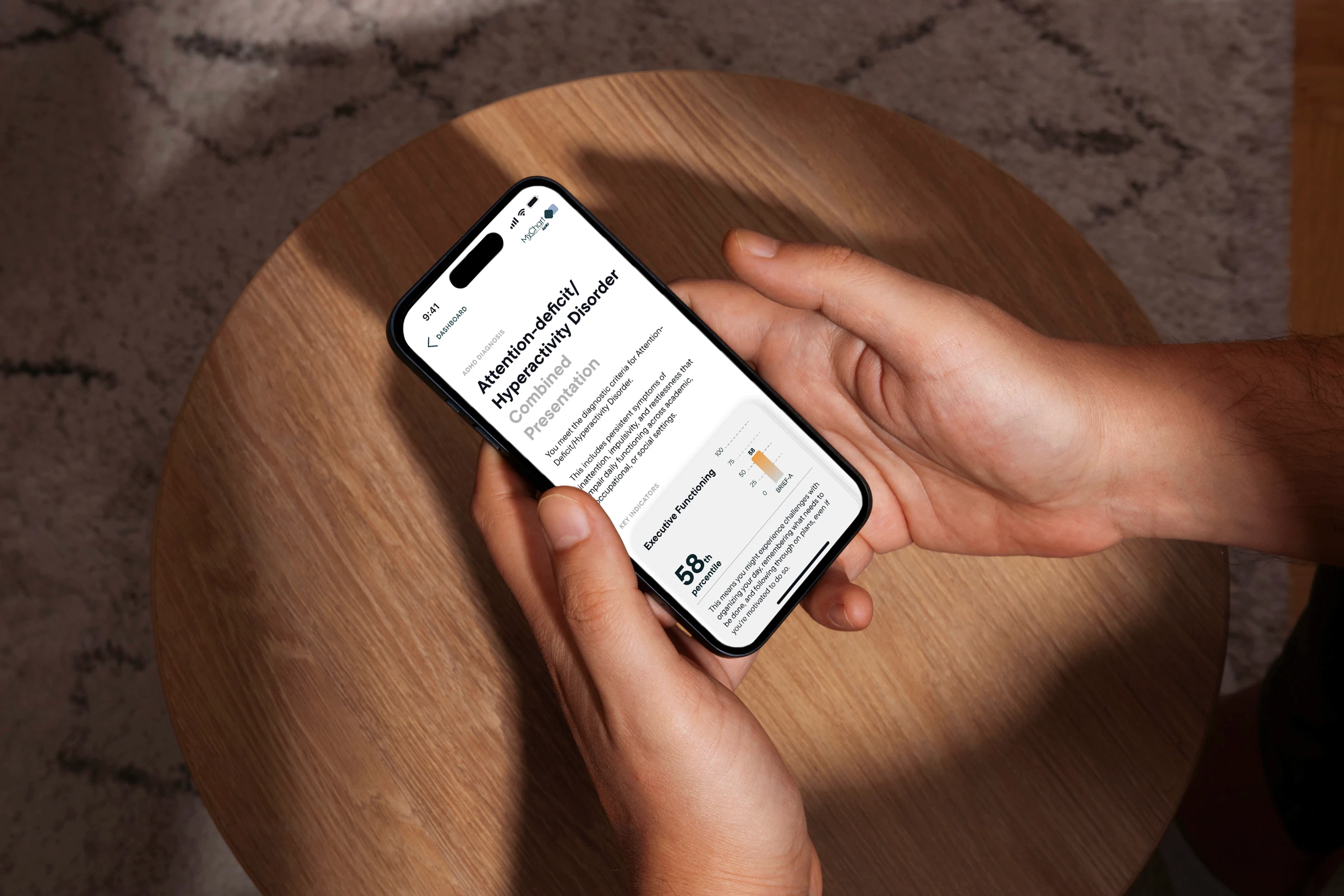
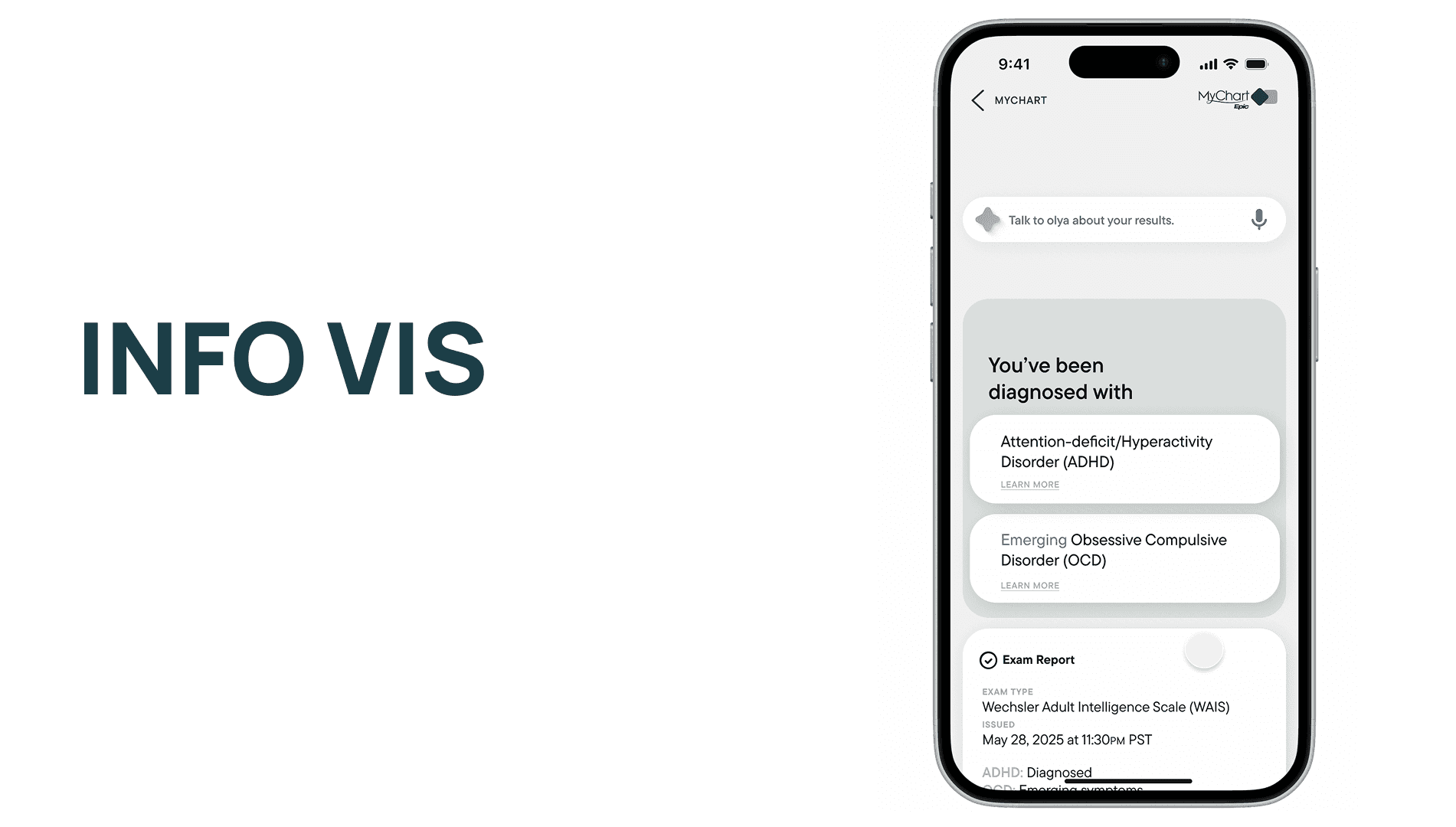
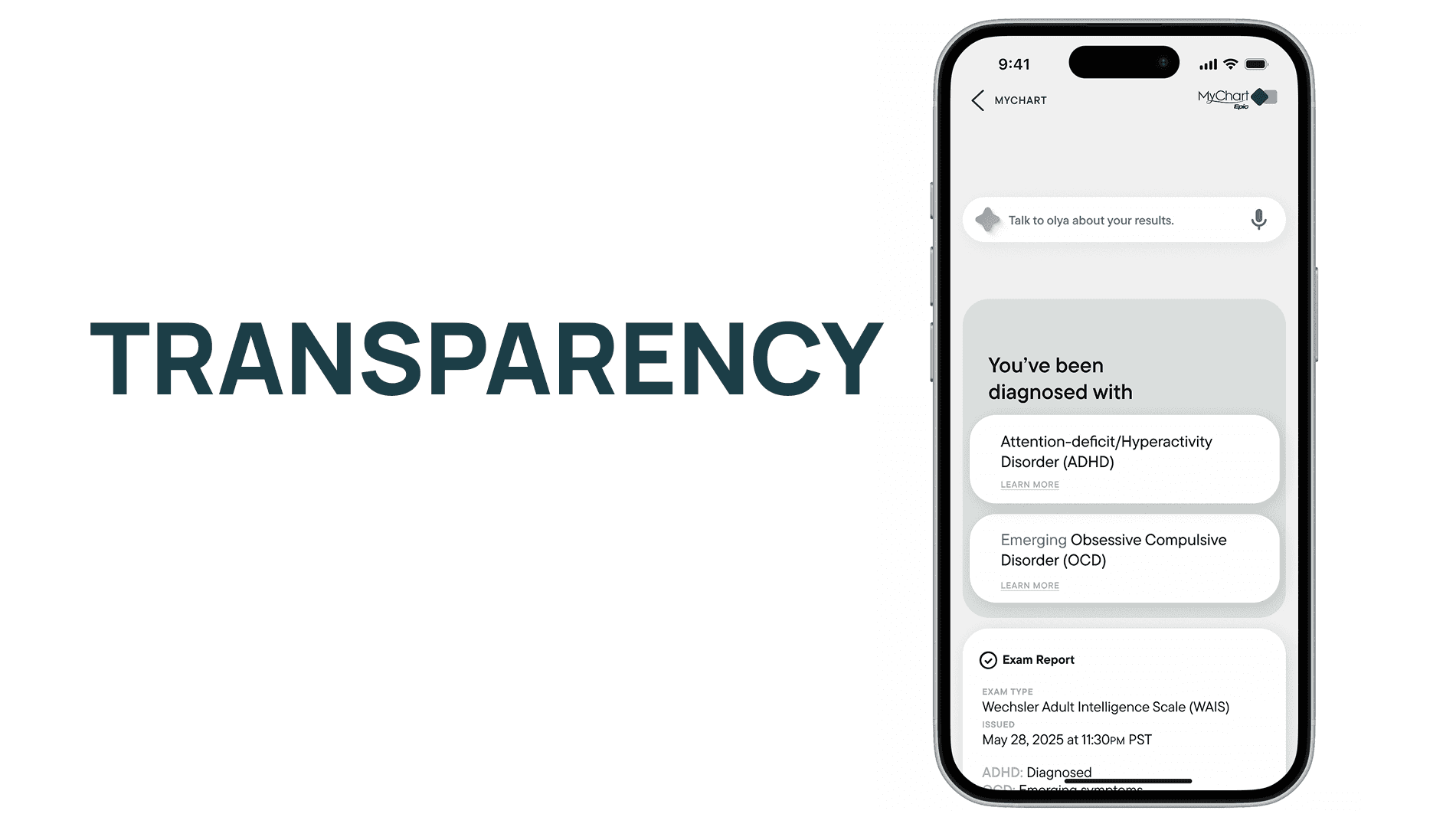
The report interface was the most consequential design problem. Most systems hand patients a clinical document and leave them to interpret it alone. I designed the AI layer to translate findings into plain language, surface recommended next steps, and answer follow-up questions — while making the licensed provider's authority visible at every point. The design challenge was making AI assistance feel genuinely helpful without letting it feel like it was making the diagnosis.

Delivering results through MyChart meant working within Epic's existing infrastructure rather than designing a new one. That constraint was clarifying — it forced every decision to be about communication rather than aesthetics, and grounded the concept in a system patients already have a relationship with.

The report interface was the most consequential design problem. Most systems hand patients a clinical document and leave them to interpret it alone. I designed the AI layer to translate findings into plain language, surface recommended next steps, and answer follow-up questions — while making the licensed provider's authority visible at every point. The design challenge was making AI assistance feel genuinely helpful without letting it feel like it was making the diagnosis.

Delivering results through MyChart meant working within Epic's existing infrastructure rather than designing a new one. That constraint was clarifying — it forced every decision to be about communication rather than aesthetics, and grounded the concept in a system patients already have a relationship with.